



































Introduction
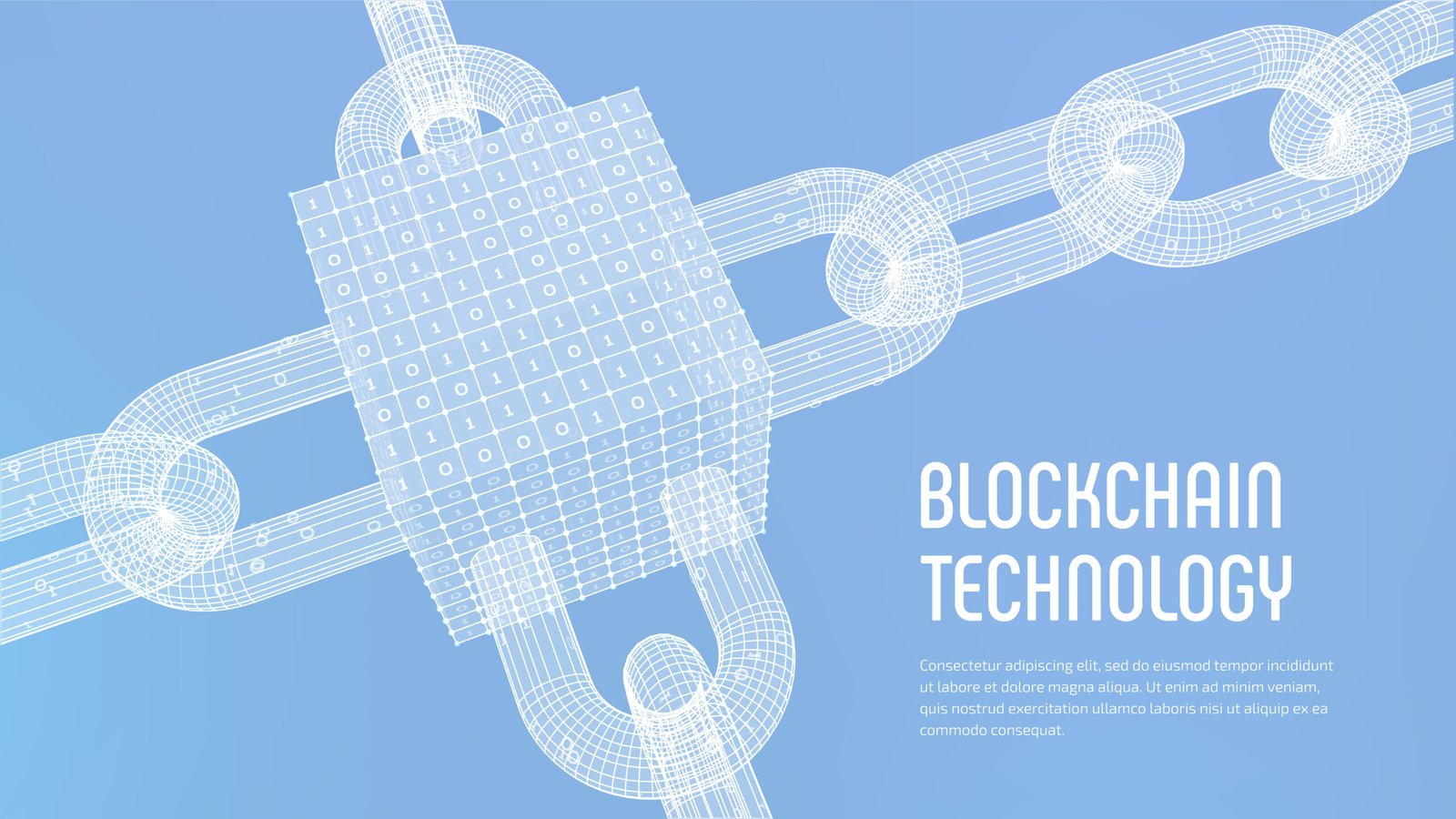
By 2030, the cybersecurity landscape will be reshaped by the very technologies meant to secure it: quantum computing and artificial intelligence. Quantum machines promise to break today’s encryption in minutes, while AI systems learn and adapt faster than any human defender. Yet, together they also offer new defenses. This blog explores the dual role of quantum AI—both as a potent threat actor and as a powerful guardian—outlining what organizations must do to stay secure.
The Quantum Threat to Classical Encryption
Classical public-key schemes like RSA and ECC rely on the difficulty of factoring or discrete logarithms. Quantum algorithms (e.g., Shor’s algorithm) will render these obsolete:
- Decryption in minutes: A sufficiently large quantum processor can factor 2048-bit keys rapidly, exposing encrypted archives and real-time communications.
- Data at risk: Any sensitive data intercepted today (emails, financial transactions, health records) could be decrypted in 2030 if stored.
AI-Driven Attack Vectors

Malicious actors will harness AI to scale and sophisticate quantum attacks:
- Automated vulnerability discovery: AI models will scan massive codebases and networks for exploitable flaws, feeding exploits into quantum-accelerated cracking engines.
- Adaptive malware: AI enables polymorphic malware that learns defenses in real time; quantum computing can optimize its behavior and propagation.
Quantum-Safe Cryptography and AI Integration
The good news: post-quantum cryptographic (PQC) algorithms are maturing, and AI can streamline their adoption:
- Automated key management: AI systems will select and rotate PQC keys based on real-time threat models.
- Hybrid encryption layers: Quantum-resilient algorithms combined with AI anomaly detection will provide multi-layered defenses.
- Real-time algorithm vetting: AI will continuously evaluate cryptographic performance, ensuring that PQC implementations remain both secure and efficient.
AI-Quantum Synergy for Defense
Quantum computing can speed up AI-based security analytics, while AI helps stabilize quantum hardware. Together, they enable:
- Instant threat correlation: Quantum-enhanced AI will analyze cross-domain threat signals (network logs, IoT telemetry, user behavior) in milliseconds.
- Predictive intrusion detection: AI models trained on quantum-simulated attack patterns will anticipate breaches before they happen.
Preparing for the Hybrid Threat Landscape
Organizations must adopt a three-pronged strategy:
- Transition to PQC: Begin migrating critical systems to quantum-safe algorithms now.
- Invest in AI-enabled Security Operations: Build SOC teams powered by AI for real-time detection and response.
- Quantum R&D Collaboration: Partner with research labs and vendors to pilot quantum-AI defense prototypes.
Conclusion
Quantum AI is both a formidable foe and a powerful ally. The window to prepare is closing fast: by 2030, legacy encryption will fail, and AI-quantum attacks could be unleashed by well-funded adversaries. Conversely, organizations that harness quantum AI for defense will gain an unassailable edge. The future of cybersecurity will be defined by who adapts—and acts—first.